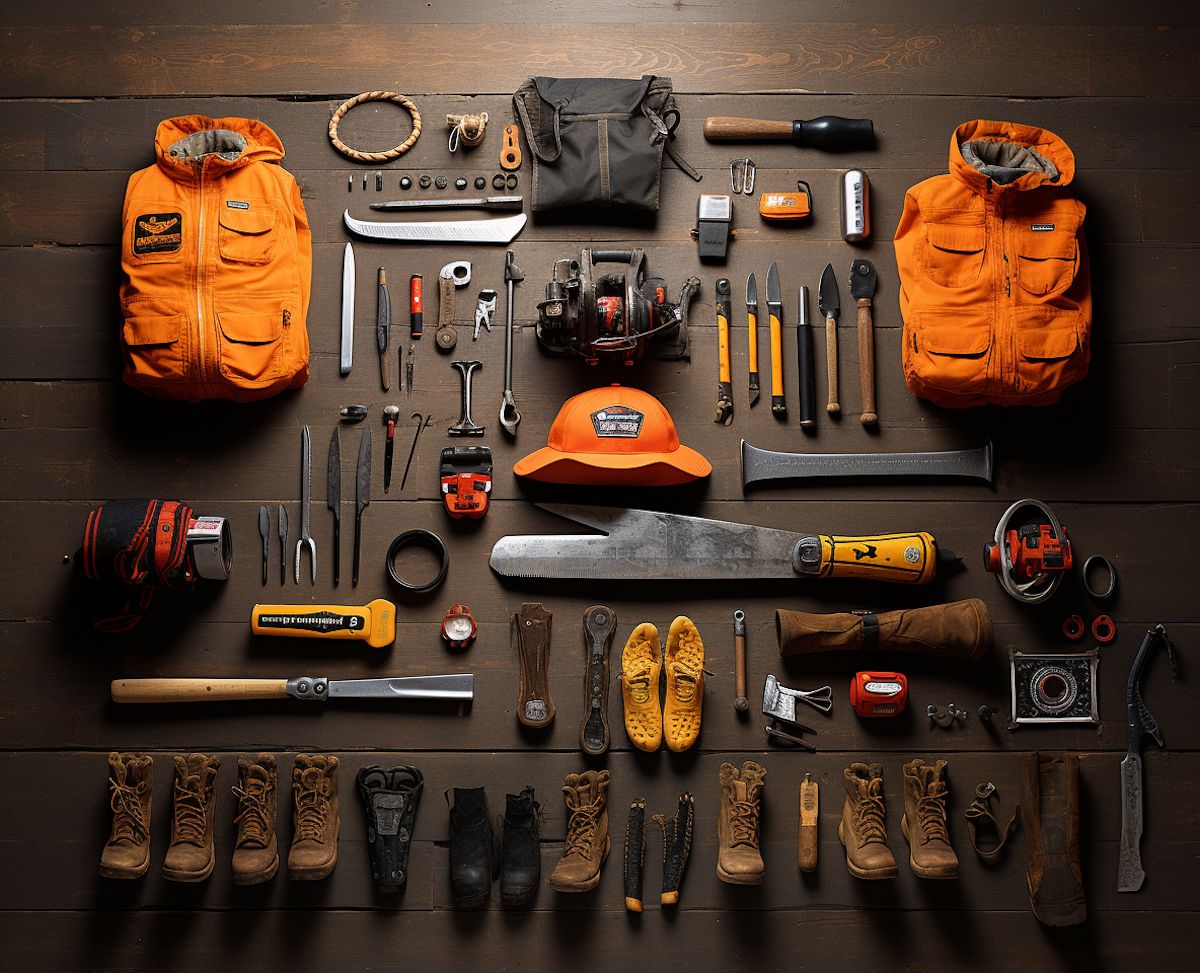
EU Right to Repair Directive: A Precursor to Enhanced Durability & Reparability Requirements Under ESPR for Outdoor & Activewear
Understanding the EU Right to Repair Directive
The European Union continues its aggressive push towards a circular economy with the introduction of the Right to Repair Directive. This directive aims to make repair more accessible and attractive to consumers, thereby extending the lifespan of products, reducing waste, and fostering sustainable consumption patterns. It mandates manufacturers and importers to offer repair services for a range of products beyond the legal guarantee, ensuring consumers have viable alternatives to replacement. While the initial scope of this directive primarily targets specific product categories covered by EU Ecodesign rules (e.g., household appliances), its underlying principles are deeply intertwined with the broader objectives of the Ecodesign for Sustainable Products Regulation (ESPR), which will significantly impact the outdoor and activewear sectors.
The Interplay with EU ESPR and Digital Product Passports (DPPs)
The Right to Repair Directive serves as a strong indicator of the EU's future regulatory direction under the ESPR. The ESPR is designed to make products more durable, reusable, repairable, and energy-efficient, with the Digital Product Passport (DPP) as its central data carrier. For outdoor and activewear brands, this means that even if textiles are not immediately covered by the Right to Repair Directive, the principles of reparability, availability of spare parts, and access to repair information will become critical components of their DPP data requirements under ESPR. Brands will need to demonstrate how their products are designed for longevity and how consumers can access repair services or information.
Expanding Obligations for Manufacturers and Importers
The directive places significant new obligations on manufacturers and importers. These include, but are not limited to, making spare parts and repair information available, ensuring repair services are accessible and affordable, and potentially even offering repair as a default option. For outdoor and activewear brands, this translates into a need to re-evaluate product design, supply chain logistics for spare parts (e.g., zippers, buckles, patches), and the provision of clear repair instructions or access to authorized repair networks. These obligations will likely be codified and expanded upon within the specific ESPR delegated acts for textiles and footwear.
| DPP Data Category | Relevance to Right to Repair / ESPR | Impact on Outdoor/Activewear |
|---|---|---|
| Product Durability Metrics | Expected lifespan, resistance to wear and tear. | Requires robust testing and transparent reporting on product longevity. |
| Reparability Score/Index | Ease of disassembly, availability of spare parts, repair manual access. | Design for modularity, provision of repair kits, clear repair instructions via DPP. |
| Availability of Spare Parts | List of critical components, period of availability. | Ensuring supply chain for common repair items (e.g., zippers, buttons, fabric patches) for a defined period. |
| Access to Repair Information | Repair manuals, diagnostic tools, software updates. | Digital access to repair guides, authorized repairer network information. |
| End-of-Life Options | Recyclability, take-back schemes. | Complements repair by ensuring products can be responsibly managed when repair is no longer feasible. |
Proactive Steps for Outdoor & Activewear Brands
Brands operating in the outdoor and activewear space should view the Right to Repair Directive as a clear signal for upcoming ESPR requirements. Proactive engagement with these principles can lead to significant competitive advantages and smoother compliance transitions. This involves integrating reparability and durability into the very core of product design and development processes, not just as an afterthought.
Actionable Brand Checklist:
- Review Product Design: Assess current product lines for reparability. Can components be easily replaced? Are materials durable?
- Develop Repair Strategies: Explore establishing in-house repair services, partnering with third-party repair networks, or providing comprehensive DIY repair kits and instructions.
- Supply Chain for Spare Parts: Ensure a reliable and long-term supply of critical spare parts for your products.
- Data Collection & Management: Begin collecting and structuring data related to product durability, materials, and repair processes, anticipating DPP requirements.
- Consumer Communication: Prepare to communicate product longevity, repair options, and care instructions clearly to consumers.
- Monitor ESPR Developments: Stay informed about specific delegated acts under ESPR that will define detailed requirements for textiles and footwear.
Passr Regulatory Intelligence Team
Compliance tracking for European sustainability directives.